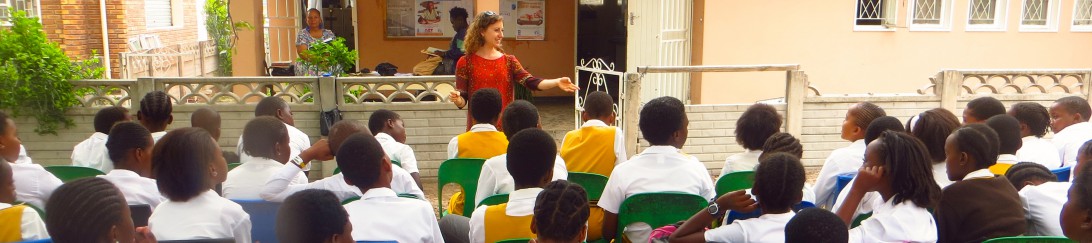
When American youth engage with the Holocaust for the first time, their reactions tend to follow a pattern:
- Blurt out any and all stereotypes of Jewish culture and identity: “My dad told me that Jews control the economy and caused the recession… is that true?”
- Look bored when the Treaty of Versailles comes up.
- Grow concerned about Nazi propaganda: “Do kids still play the Juden Raus [Jews Out] board game in Germany?”
- Retreat into silence upon viewing video documentation of the Warsaw ghetto.
- Recoil at the horrific stories of child victims.
- Make connections: “Didn’t something similar happen in Darfur?”
- Plan action: “What can we do about genocide? How can we make a difference?”
As the above true-life scenario shows, youth—in the United States and beyond—are unique and powerful participants in the process of memorialization, or the preservation of memories pertaining to mass atrocities like genocide. Their honesty enables them to break down stereotypes and ask tough questions. They tend to engage with and express raw emotion more easily. Most importantly, their energy and idealism open the door for action.
Around the world, young people lead both community-based and national initiatives to honor memory of conflict and promote reconciliation. Frustrated by the ongoing delays on formal transitional justice mechanisms, youth leaders in Cote d’Ivoire formed the Justice and Peace Action Network (le réseau Action justice et paix) to document young Ivorians’ experiences during the country’s 2010 elections crisis through a series of radio broadcasts. In Cambodia, the civil society organization Youth for Peace convenes peace conferences and community dialogues for young people to engage with the memory of the genocide perpetrated by the Khmer Rouge. Back in the United States, young activists are prominent leaders of the movement to confront the legacy of racial violence and initiate the crucial process of reconciliation.
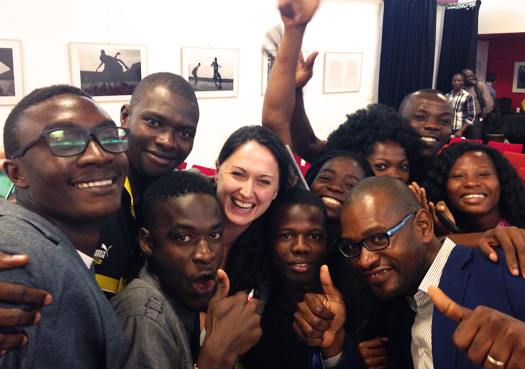
Yet we need more of the electrifying leadership of youth in memorialization work. Young people are often seen as the leaders of the future, not the present. They’re relegated to the position of passive actors in the narratives that dominate their lives. Not only are we denied their voices, but their organizing prowess, their creativity, and their rousing energy as well. Moreover, society loses out on young leaders’ unique power to reach out to their peers and heal wounds that are generations-deep. Divisions endure, and conflicts are reborn.
When youth spearhead reconciliation efforts, they send a powerful message about social and political renewal. They devise innovative peacebuilding initiatives and help break cycles of violence. In order for memorialization work to succeed, youth-led projects need to be a priority.
 Daniella Montemarano